







Search Results for: export market
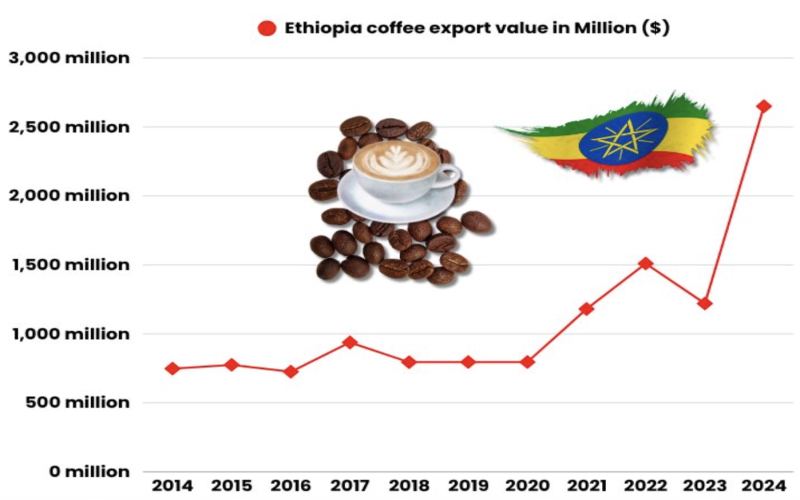
2024-2025 Ethiopia Coffee Export Report: Ethiopia's Main Coffee Export Destinations and Production
Ethiopia is not only the birthplace of Arabica coffee but also one of the world's major suppliers of high-quality coffee beans. Coffee occupies a central position in Ethiopia's economy, culture, and trade. In 2024-2025, Ethiopia's coffee export volume and export revenue both reached historic highs, marking [more…]

The African Coffee Association calls for increasing the share of specialty process coffee exports and reducing traditional process exports.
At the 20th African Fine Coffee Conference held in Addis Ababa, officials from the African Coffee Association (AFCA) issued a clear call to traders: efforts should focus on promoting the export of specialty-processed coffee and gradually reducing the share of traditionally processed coffee in the international market. AFCA pointed out that Africa possesses world-class coffee resources, yet weak marketing and a single processing approach have made it difficult for growers to obtain fair returns. To change this situation, the association recommends that exporting countries strengthen brand building, upgrade processing technology, and pay close attention to external factors such as the EU Deforestation Regulation. Africa's coffee industry stands at a crossroads of transformation, and how to break through amid climate change and market access challenges has become the focus of attention for all parties. [more…]
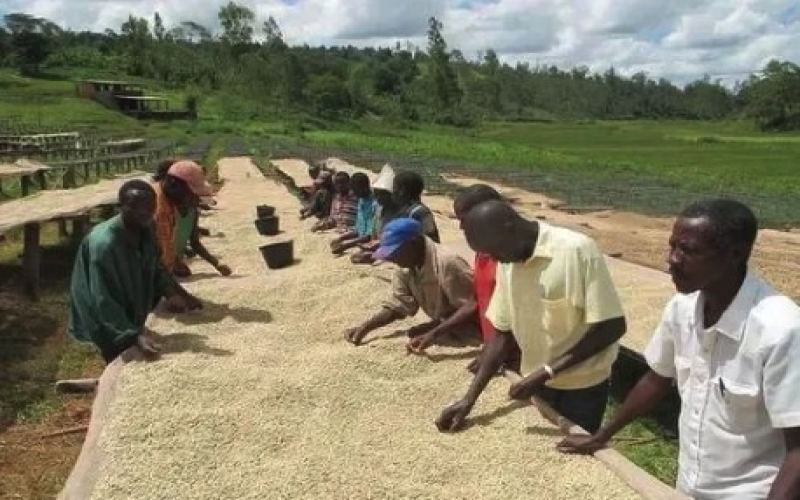
Officials of the African Coffee Association urged traders to specially handle the export of special processing method coffee.
Traders of the special processing method coffee should reduce the export of coffee with traditional processing methods. From February 6th to 10th, the 20th African Fine Coffee Conference and Exhibition was held in Addis Ababa, the capital of Ethiopia [more…]
Reports on Coffee Production and Exports in Vietnam and Brazil Are Out, Data from Multiple Countries Reveal New Trends in the Global Coffee Market
Recent coffee industry reports released by multiple countries show that the global coffee market is undergoing a series of significant changes. Vietnam's coffee export volume in January hit a record monthly high, and despite drought causing expectations of lower production, export performance remained strong. Rain in Brazil's main producing regions has benefited crop growth, and production for the new year is expected to increase year-on-year. At the same time, the Red Sea crisis continues to affect trade routes, prompting some traders to turn to Brazil to purchase robusta coffee beans. Arabica prices have remained stable due to steady exports from several Central American countries. Colombia's coffee production has risen sharply, becoming a bright spot in the Americas market. This article will review production and export data from major producing regions and analyze the current supply-demand landscape and future direction of the coffee market. [more…]
Under the dual impact of climate shocks and market downturn, El Salvador's coffee export volume and value have plummeted, with Chinese demand emerging as a potential bright spot.
Due to a combination of extreme weather, falling coffee futures prices and labor shortages, El Salvador's coffee bean export volume and export value both fell sharply in the first four months of the 2023/24 harvest season. According to a report by the Salvadoran Coffee Institute, export volume fell by nearly 47% year-on-year, export value dropped by more than 50%, and in January alone export value plunged by more than 90%. The United States remains the largest buyer, but Italy, Saudi Arabia and other countries follow closely behind in share. The decline in production is directly related to drought and extreme rainfall caused by the El Niño phenomenon. At the same time, El Salvador's coffee exports to China are on the rise, with 13 trading companies having completed registration in China, and the industry is optimistic about the potential of the Chinese market. Front Street Coffee continues to follow developments in the producing regions and bring frontline news to enthusiasts. [more…]
Colombian coffee exports to China gain strong momentum amid production recovery and extreme weather challenges
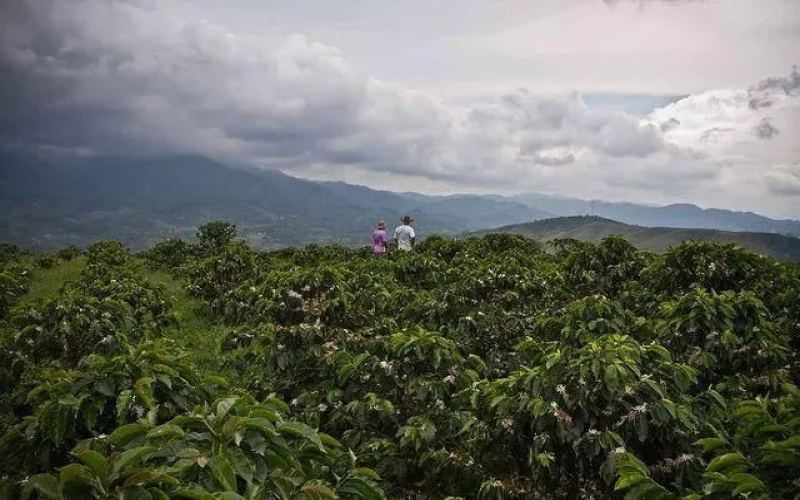
In recent years, Colombian coffee has performed increasingly well in the Chinese market. According to the country's media, China is expected to become Colombia's sixth-largest coffee export destination by the end of the year, and may even rise to second place in the future. In 2019, China ranked only 18th, but by 2023 it had jumped to sixth, with exports reaching 540,000 bags. At the same time, Colombia's coffee industry is gradually recovering from consecutive production declines, with output in the 2023/24 season expected to grow by 15%, though challenges such as drought, wildfires, and armed conflict remain. This article will review the latest export data, market prospects, and industry conditions, and include relevant recommendations from Front Street Coffee. [more…]
Uganda's coffee exports fell by 30% in March; the government injects funds to boost production and targets the Chinese market.
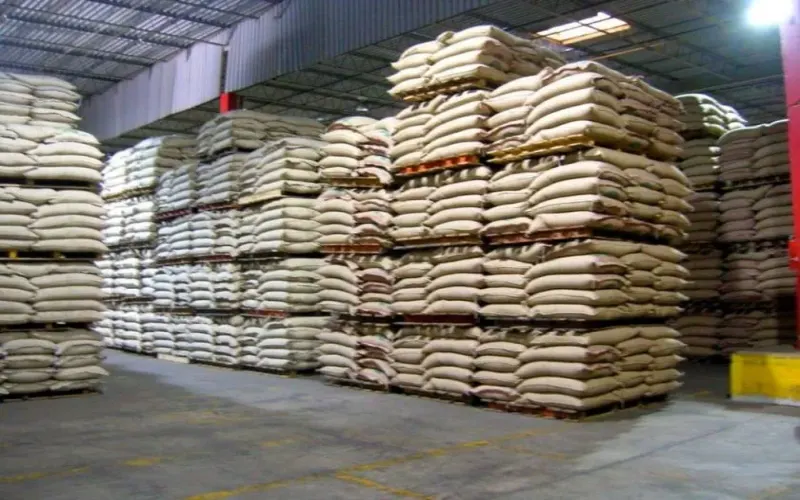
The latest monthly report from the Uganda Coffee Development Authority shows that coffee exports in March amounted to 329,686 60-kg bags, generating revenue of 246.8 billion shillings (approximately US$64.74 million), a marked decline from February, with a year-on-year drop of 32.4% in volume and a 9.45% decrease in revenue. Heavy rains triggered by El Niño battered the main harvest season, causing cherry drop and reduced yields. Nevertheless, on a coffee-year basis, total exports still reached 5.9 million bags, with revenue up 16.91% year on year. Robusta prices rose amid tight supply from Vietnam, and Uganda benefited as a result. The government is seeking funding to establish a traceability system and improve mechanization, while the president has set a target of 20 million bags by 2025. Uganda is also bullish on China's 15%-20% annual growth in coffee consumption and hopes to expand exports to China. [more…]

Indonesia Plans to Follow Nickel Ore Model by Banning Raw Coffee Exports, Potentially Reshaping Global Supply Dynamics
Indonesian President Joko Widodo revealed at the 2024 BNI Investor Daily Summit that the government is considering banning the export of unprocessed agricultural products such as coffee and cocoa to advance its resource downstreaming strategy. If implemented, this policy will directly affect the export volume of the world's fourth-largest coffee-producing country, thereby driving up international coffee prices. It is worth noting that Jamaican Blue Mountain coffee had a similar precedent, but it was eventually relaxed due to trade liberalization. Indonesia's domestic consumption is robust, with exports accounting for more than half, and whether the deep-processing policy can be smoothly implemented remains in question. This article reviews the policy background, historical cases, and market impact for the reference of coffee enthusiasts. [more…]

Ethiopia's Central Bank Narrows Foreign Exchange Bid-Ask Spread to 2%, Bringing Good News for Coffee Exporters
On October 15, the National Bank of Ethiopia introduced a new regulation capping the spread between the buying and selling rates for foreign exchange transactions at 2%, effective the following day. This marks another significant adjustment following the country's shift to a market-based exchange rate system in July of this year. Previously, the birr depreciated sharply, and the bid-ask spread at one point exceeded 10 birr, placing heavy pressure on exporters. The new policy requires banks to disclose all fees transparently, which is expected to reduce exchange losses for exporters and bodes well for major export commodities such as coffee. Nevertheless, Ethiopia still faces multiple challenges, including the conflict in Amhara region, the Red Sea blockade, and the port dispute with neighboring Somalia. [more…]

NKG Group Officially Enters the Chinese Market: A Potential New Shift in the Coffee Bean Import and Export Landscape
Neumann Kaffee Gruppe (NKG), one of the largest coffee trading companies in the world, recently announced the establishment of its first wholly-owned subsidiary in China, headquartered in Shanghai, with supporting warehousing and distribution centers and a cupping laboratory in the Yangshan and Kunshan comprehensive bonded zones. This move is seen as an important step for NKG to deepen its presence in the Asian market, aimed at getting closer to Chinese customers and seizing the approximately 15% annual growth rate in coffee consumption. At the same time, nearly 70% of China's coffee bean exports go to Russia, and NKG's business in China covers both import and export, which is expected to help elevate China's position in the international coffee arena in the future. [more…]

Domestic coffee machine sales soar: cost-effectiveness and smart features fuel market explosion, export orders surge
Affected by both the pandemic and rising coffee bean prices due to reduced harvests, more and more consumers are turning to making coffee at home, driving rapid growth in the coffee machine market. According to a CCTV Finance report, coffee machine sales climbed for six consecutive months in 2022, with year-on-year growth peaking at over 200%, and domestic coffee machines performing especially well. With features such as smart temperature control and pressure adjustment, plus outstanding value for money, domestic models have not only won favor in China but also seen a sharp increase in export orders, with some companies operating at full capacity. This article reviews market data, export trends, and consumer preferences, and brings professional insights from Front Street Coffee. [more…]
Both Indonesia's Robusta coffee production and exports decline, market expectations unmet
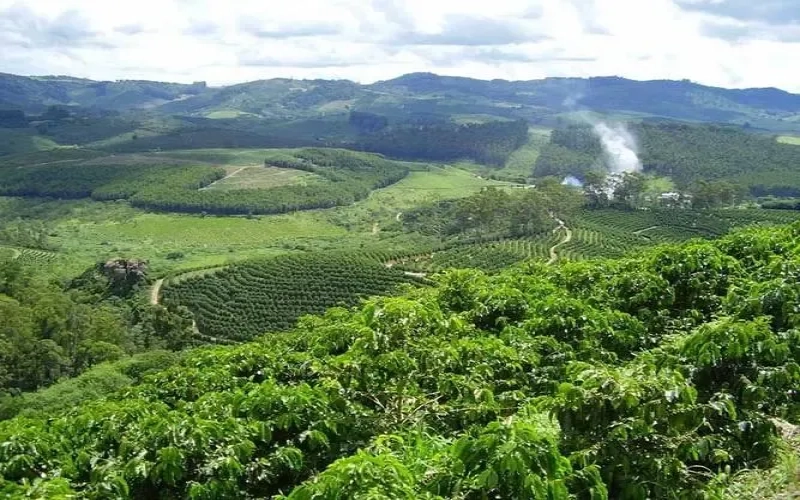
A recent Indonesian coffee industry report released by the U.S. Department of Agriculture shows that Indonesia's coffee production in 2024/25 is expected to recover to 10.9 million bags, of which Robusta is projected to reach 9.5 million bags. However, the reality is not so optimistic: since the beginning of this year, Indonesia has frequently suffered natural disasters such as floods, landslides, and volcanic eruptions, and Sumatra's Robusta exports in May plunged 54% year-on-year. With the aftermath of El Niño still lingering and the threat of La Niña approaching, coupled with rising domestic consumption and exporters holding back sales, the supply outlook for Indonesian Robusta is full of uncertainties. This article will review production, exports, climate, and market dynamics, and include relevant recommendations from Front Street Coffee. [more…]
Vietnamese Robusta Price Surpasses Arabica for the First Time, High Coffee Market Prices May Persist
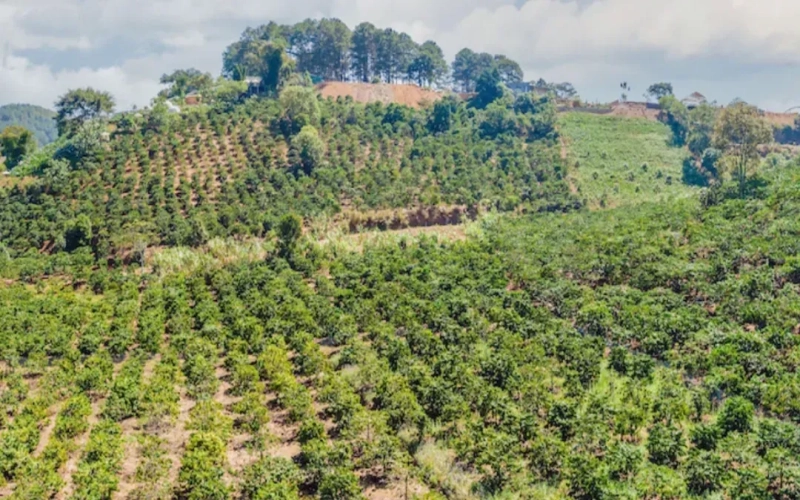
Vietnam, as the world's largest producer of Robusta coffee, has recently seen a rare phenomenon—domestic Robusta prices have actually surpassed Arabica for the first time in nearly 50 years. Affected by multiple factors including high temperatures and drought, reduced production, and tight global supply, Vietnam's coffee export prices have continued to climb, with the average export price in May surging 63.6% year-on-year. At the same time, Brazil's new-season Robusta harvest is looking good, which may bring some relief to the persistently rising prices. This article will provide a detailed analysis of price trends, supply and demand changes, and future expectations in the Vietnamese coffee market. [more…]
Coffee futures prices retreat, yet Brazil and Vietnam export data remain strong
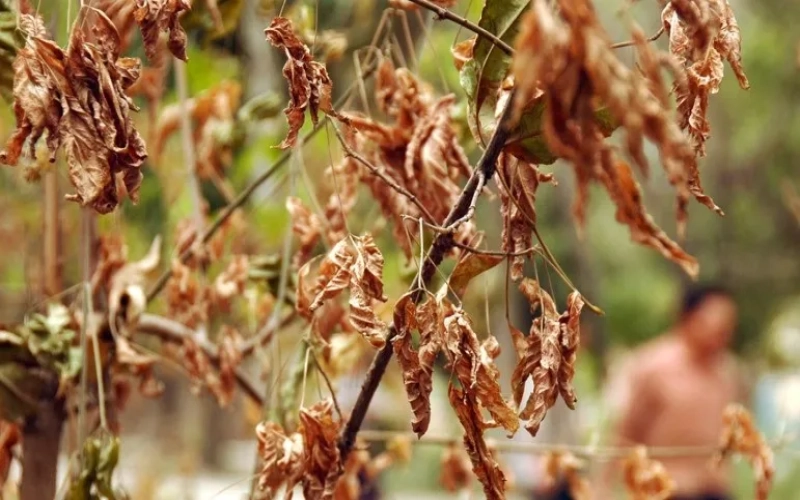
After a sharp climb in the earlier period, coffee futures prices have recently pulled back. The London robusta September contract fell to $3,985 per ton, while the New York arabica September contract stood at 216 cents per pound. Robusta had previously hit a historic high of $4,339 per ton, mainly driven by reduced output caused by drought in Vietnam. However, the latest export reports from both Brazil and Vietnam showed strong growth, and declines in prices of soft commodities such as cocoa made investors more cautious, weighing the market down. Yet global weather remains unstable, with drought persisting in producing regions of Brazil and Vietnam, and concerns over future output have not faded, leaving the market gripped by a wait-and-see mood. [more…]

Ethiopia's Coffee Industry Credit Default Dilemma and the Controversy Over Vertical Integration Policy
Recently, Ethiopia's coffee industry has been thrown into chaos by a wave of credit defaults. Coffee farmers who supplied coffee beans to exporters and suppliers on credit have been waiting in vain for payment, with the amount owed reaching into the billions of birr. Some farmers have even committed suicide out of despair, and radicals have attempted to rob exporters of their property. The government blames the problem on the "vertical integration" plan introduced five years ago and fully implemented two years ago, which replaced the original ECX trading model and was intended to allow coffee farmers, suppliers, and cooperatives to export coffee directly and benefit from international price incentives. However, at a meeting between the government and growers on March 8, 2024, both the Minister of Agriculture and the Director General of the Coffee and Tea Authority held that the benefits of vertical integration outweigh the drawbacks, that defaulters are only a minority, and that violators have already been blacklisted. But coffee farmers and producers say that banks' suspension of loans and the National Bank's 14% credit growth cap have led to the market being controlled by a handful of wealthy exporters, leaving them with no choice but to sell on credit. Last year, 90% of coffee was exported through the vertical integration plan, and farmers are calling on the government to regulate the market. Front Street Coffee reminds that this incident highlights the importance of fair trade and financial support in the coffee industry chain. [more…]

Ethiopian regulators halt cooperation with Chinese coffee merchants over unpaid goods, affecting foreign exchange earnings
As Africa's largest coffee producer, Ethiopia is known for the floral and fruity aromas of its coffee beans, and in recent years it has become increasingly popular in the Chinese market. However, a recent report from local media has drawn attention: the Ethiopian Coffee and Tea Authority has decided to ban a Chinese coffee company from signing contracts with Ethiopian parties because it failed to pay its local exporter. This incident not only reflects payment disputes in China-Ethiopia coffee trade but also highlights the importance of coffee exports to the country's foreign exchange earnings. This article will review the course of events, the companies involved, and local regulatory measures, and revisit the popularity of Ethiopian coffee in the Chinese market. [more…]
Global Coffee Demand Continues to Rise, Brazil's Exports to China Break the One Million Bag Mark for the First Time
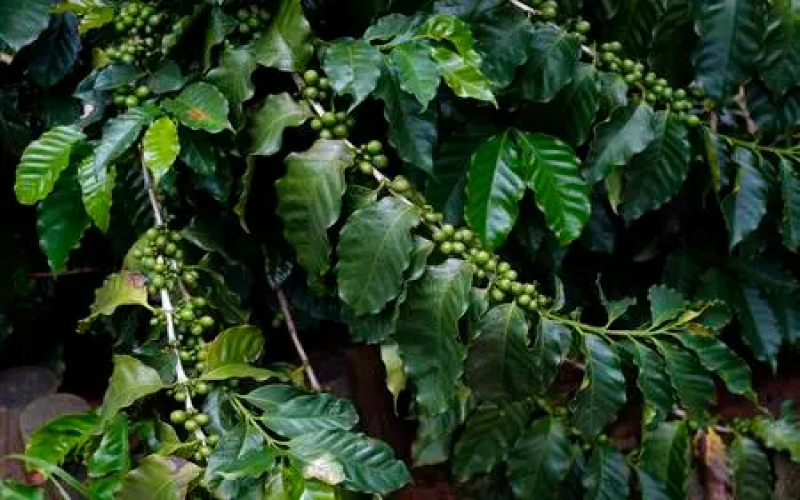
The latest data from the Brazil Coffee Exporters Council shows that Brazil's coffee exports to China have surpassed the 1 million bag mark for the first time, reaching 1,151,768 bags (60 kg/bag), and the growth momentum is expected to continue. At the same time, the European Union remains firmly the largest destination for Brazilian coffee exports, with exports reaching 5,470,729 bags in 2023. The rapid growth of China's coffee consumption, the increase in global coffee production, and changes in the import structures of major consuming countries are reshaping the world coffee trade landscape. Front Street Coffee continues to follow global coffee market developments, bringing the latest industry news to enthusiasts. [more…]
Victoria Harbour Robusta exports hit second-highest level on record, climate concerns cloud future outlook
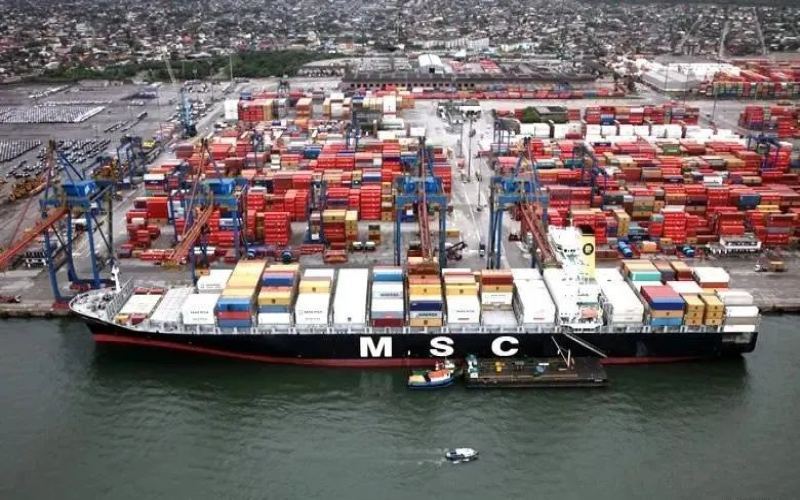
Brazil's Vitória port delivered impressive coffee export results in November, with monthly shipments exceeding 844,000 bags, setting the fourth-highest monthly record in the port's history, while robusta coffee in particular set a historic single-month export peak. This performance was mainly driven by strong supply from Espírito Santo state, Brazil's largest robusta-producing region. The Vitória Coffee Trade Center believes that the export growth helps enhance the competitiveness of Brazilian robusta in the international market, while improved logistics efficiency and an increase in certified coffee supply have also supported exports. However, the outlook is not entirely smooth. Affected by El Niño, major producing countries such as Indonesia and Vietnam have successively experienced extreme weather, and robusta coffee futures once soared to their highest level since 2008. Soil moisture in Brazil's Espírito Santo state also fell to a seven-year low, farmers are strongly reluctant to sell, and future output is difficult to estimate. Vietnam's new-crop robusta is gradually coming to market, which may bring new variables to the market. [more…]

Ethiopia Launches Exchange Rate System Reform, Birr Depreciates by 30% in a Single Day, Coffee Exports Face a New Landscape
On July 29, 2024, the National Bank of Ethiopia announced a major overhaul of the country's foreign exchange system, effective immediately, centered on introducing a competitive exchange rate formation mechanism based on market supply and demand. This move was seen as a key step toward resolving the country's long-standing foreign exchange shortage, but it also quickly triggered a sharp currency depreciation—the birr plunged about 30% against the US dollar in a single day. As a major global coffee-producing region, how will this policy shift in Ethiopia affect its coffee industry and the international coffee market? This article will outline the specifics of the reform, the exchange rate movements, and their potential transmission effects on coffee exports and prices. [more…]
Peruvian coffee industry shakes off El Niño shadow, 2024/25 production and exports expected to rise together
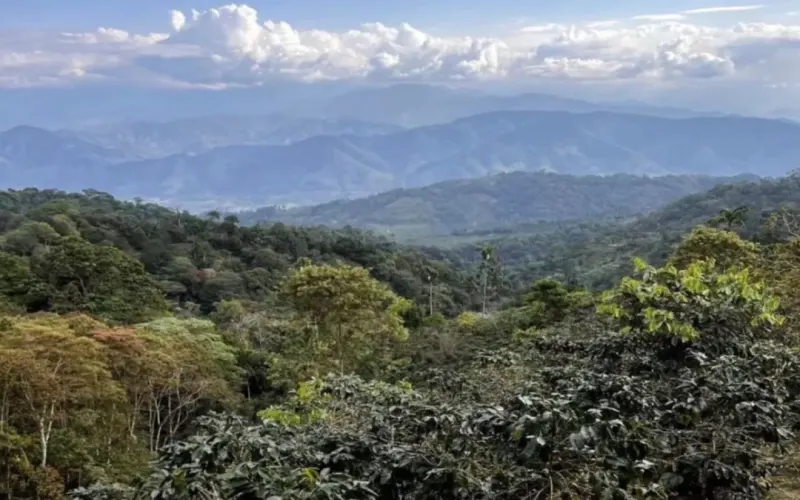
The latest report from the United States Department of Agriculture shows that Peru's coffee industry is gradually emerging from the shadow of El Niño. After facing severe challenges in the first quarter of the 2023/24 fiscal year, production has recovered to 3.95 million bags, achieving a 9% year-on-year increase. Looking ahead to the 2024/25 marketing year, Peru's coffee production and exports are expected to rise by 7% and 6% respectively, reaching 4.22 million bags and 4.07 million bags. International coffee prices remain elevated, encouraging coffee farmers to increase investment in cultivation and fertilizers, injecting momentum into the industry's recovery. Meanwhile, cooperation between Peru and China on the Chancay Port project has made new progress, creating favorable conditions for increased exports of coffee and other agricultural products to China in the future. Front Street Coffee will continue to monitor the origin dynamics and flavor performance of Peruvian coffee. [more…]